AI Is Getting Smarter, but Bad Data Can Still Break Everything
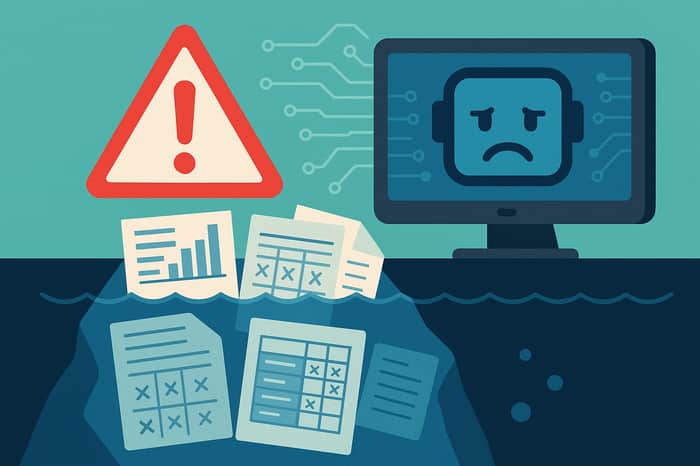
What hides beneath the surface is most dangerous: data gone wrong.
I once faced a serious procurement risk. The system mistakenly read thousands of SKUs as "per box" instead of "per unit." The result? A 10x over-purchase, nearly causing a million-dollar funding gap. These small data mistakes, once fed into AI systems, get amplified. Best case, the output misses the mark. Worst case, it leads to legal or contract violations.
Yes, AI is getting more powerful. But it still fails—often—because of the most basic data issues.
Good Data Comes First
Most AI projects don't fail because the models are weak. They fail because the data is wrong, incomplete, or inconsistent.
In procurement, even a small issue—one misaligned field, one wrong unit—can throw the entire decision path off. If AI learns from bad data, it will make bad choices.
Why Cross-Border Procurement Data Is Especially Messy
Language barriers, currency differences, invoice formats, inconsistent product categories—these are daily problems.
Worse, manually entered data, copied from outdated systems or incompatible platforms, makes integration harder. AI can't make good calls if the input is chaos.
GenAI Helps Clean, But It's Not a Magic Fix
Many companies now use GenAI to improve data. These systems can:
- Standardize fields like unit and spec
- Remove duplicates and fill missing values
- Generate synthetic data for simulations
But even with AI tools, messy formats and unclear labels still cause trouble. You need a strong cleaning process and clear data rules before trusting the results.
Fix the Input First—That's Where Errors Start
One platform I use provides input guidance. It reads what I type, extracts quantity, units, and specs, and suggests standardized labels. Most errors get caught right there, before they move downstream.
I also tested a tool (Accio). It doesn't support PDF parsing yet, but its natural language and image search works well. You can upload a photo or write a loose product description. It turns messy inputs into structured queries and shows solid matches. That kind of design reduces errors early in the process—especially useful during initial research.
Data Culture and Collaboration Matter More Than Code
Clean data and great models still won't help if the team isn't ready. You need clear data standards, aligned workflows, and staff who know how to use them.
Many teams struggle because of old systems and low digital skills. That's often why public-sector AI projects fail. The tech isn't broken—people just weren't ready to use it right.
5 Lessons I've Learned About Data and AI
- Without clean data, AI decisions are meaningless
- Cleaning and filling data is essential—but not enough
- Input design helps prevent downstream failure
- Cross-system data alignment is still a major roadblock
- People, process, and standards matter more than algorithms
Let's Talk
Does your team have a data quality framework in place? Ever had an AI tool break because of bad formatting or mismatched fields? Share your stories or lessons learned—I'd love to hear how others are solving the "dirty data" problem.
