Avvenire Tectus: The Ultimate Solution for Compact and Durable Urban Transport
As urban environments grow increasingly crowded, innovative and sustainable transport solutions are critical. Cities worldwide face mounting congestion, pollution, and inefficient mobility systems. Compact, durable, and electric-powered vehicles are reshaping the urban landscape, offering new possibilities for personal and public transportation.
Among these innovations, the Avvenire Tectus Urban Transport solution stands out as a pioneering advancement in compact electric vehicles (EVs). Designed to meet the challenges of modern cities, the Avvenire Tectus offers a unique combination of efficiency, durability, and sustainability. This article explores the transformative potential of the Avvenire Tectus in addressing urban mobility needs and the benefits it presents for city dwellers and local governments.
The Shifting Landscape of Urban Transport
Several converging factors are driving the transformation of urban mobility:
Urbanization and Congestion:
Cities are expanding rapidly, increasing traffic congestion and longer commute times. While effective for long distances, traditional cars often underperform in densely populated areas where maneuverability and compactness are essential.
Environmental Sustainability:
The shift toward reducing carbon emissions has emphasized electric vehicles (EVs) as alternatives to gas-powered transport. Reducing urban air pollution and mitigating the impacts of climate change remain key objectives for cities worldwide.
Space Constraints:
Urban areas have limited space for large vehicles and parking. This creates demand for smaller, more agile vehicles that can easily navigate tight spaces and fit into compact parking areas.
Efficiency and Cost-Effectiveness:
Light electric vehicles (LEVs) present a lower operational cost, reduced maintenance, and efficient energy use, making them attractive to individual users and municipal fleets.
The Avvenire Tectus Urban Transport model directly addresses these challenges by offering a durable and compact mode of transportation that fits seamlessly into the evolving urban landscape.
Introducing the Avvenire Tectus
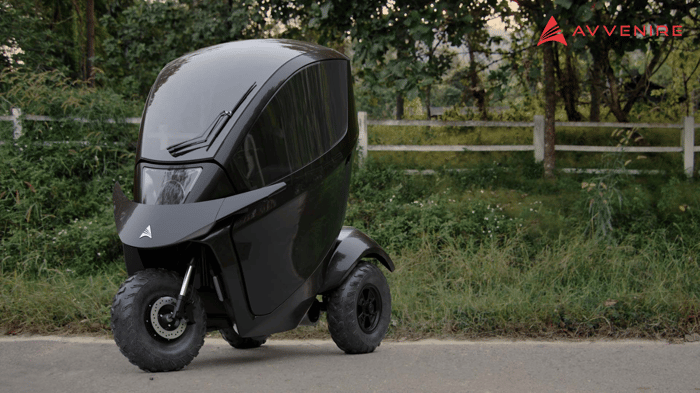
The Avvenire Tectus is a fully enclosed electric mobility vehicle that blends the functionality of a scooter with the durability and comfort of a small car. It is specifically designed to operate within urban environments, providing commuters and professionals with a reliable and efficient alternative to traditional vehicles.
Key Design and Performance Highlights:
Compact Design: Built to maneuver through narrow streets and confined spaces easily.
Electric Powertrain: Fully electric, contributing to reduced carbon emissions and silent operation.
Weather Protection: The enclosed cabin protects riders from environmental elements, ensuring all-weather usability.
Enhanced Durability: Engineered for daily urban use, with robust materials and components designed to withstand the wear and tear of city life.
Extended Range: Designed to cover significant distances on a single charge, minimizing downtime and increasing overall efficiency.
Combining these features positions the Avvenire Tectus Urban Transport model as a revolutionary solution for cities grappling with mobility challenges.
Design and Durability: Built for the Urban Jungle
The Avvenire Tectus reflects a meticulous approach to design, with functionality and longevity at its core. Unlike traditional scooters or bicycles, the Tectus is fully enclosed, protecting riders from rain, wind, and snow. This makes it an all-weather solution, ensuring reliability throughout the year.
Key Design Features:
Front-Opening Cabin: Enhances ease of entry and exit, making it accessible for individuals of all ages.
Integrated Lighting Systems: Advanced LED lighting ensures visibility in low-light conditions, promoting safer travel.
Compact Yet Spacious: Although compact, the interior is designed to maximize rider comfort and storage space, addressing the practical needs of commuters.
Reinforced Frame: Durability is a design cornerstone, with high-strength materials that provide structural integrity and long-lasting performance.
The ability to withstand daily use in high-traffic environments highlights the Avvenire Tectus Urban Transport vehicle’s role as a reliable and long-term solution for modern cities.
Performance and Technological Advancements
Performance is a key factor that sets the Avvenire Tectus apart from other urban transport solutions. Equipped with a high-output electric motor, the Tectus delivers sufficient power to easily navigate inclines, rough urban terrain, and congested streets.
Technological Highlights:
Dual-Motor All-Wheel Drive (AWD): Provides exceptional stability and traction across diverse road conditions.
Advanced Regenerative Braking: Enhances battery efficiency by recovering energy during braking.
Adaptive Suspension Systems: Ensures a smooth ride by adjusting to road conditions dynamically.
Smart Systems: GPS tracking, backup cameras, and tire pressure monitoring systems (TPMS) ensure user safety and convenience.
These technological features are crucial for enhancing user experience while increasing the longevity of the vehicle. This positions the Avvenire Tectus Urban Transport as not just a mobility solution but a platform for technological integration in urban environments.
Sustainability and Environmental Impact
Sustainability plays a central role in designing and deploying the Avvenire Tectus Urban Transport model. As cities work towards carbon-neutral goals, vehicles like the Tectus represent a significant step in reducing greenhouse gas emissions and improving overall air quality.
Environmental Benefits:
Zero Tailpipe Emissions: The electric propulsion system eliminates harmful emissions, improving city air.
Reduced Noise Pollution: The silent electric motor enhances urban environments by reducing noise pollution, a growing concern in densely populated areas.
Efficient Energy Use: Electric motors are inherently more energy-efficient than internal combustion engines, lowering energy consumption.
Sustainable Manufacturing: Using recyclable materials and eco-conscious manufacturing processes minimizes the environmental footprint during production.
These features highlight the Avvenire Tectus Urban Transport as an eco-conscious solution that aligns with broader sustainability initiatives being adopted by governments and city planners.
Applications and Use Cases
The versatility of the Avvenire Tectus allows it to serve various functions across different urban sectors. From personal mobility to municipal services, the Tectus is designed to adapt to various urban needs.
Potential Applications:
Commuter Transport: A viable alternative for daily commutes, offering efficiency and comfort for short to medium-range travel.
Last-Mile Delivery: Businesses can use the Tectus for last-mile delivery, addressing logistical challenges in urban environments.
Municipal Fleets: City governments can adopt the Tectus for administrative duties, reducing operational costs while supporting sustainability goals.
Tourism and Rentals: The compact design makes it suitable for tourism-based rentals, providing visitors with an efficient way to explore city streets.
The adaptability of the Avvenire Tectus Urban Transport system ensures it can play a pivotal role in reshaping urban infrastructure.
Challenges and Considerations
While the Avvenire Tectus presents numerous benefits, there are practical considerations to address for wider adoption.
Charging Infrastructure: Expanding urban charging stations is necessary to support the growing number of electric vehicles.
Regulatory Frameworks: Cities may need to adapt policies to accommodate new vehicle classifications like the Tectus.
Cost of Adoption: While electric vehicles often reduce long-term costs, initial investments can be significant, requiring incentives or subsidies.
Addressing these challenges will ensure that the Avvenire Tectus Urban Transport model reaches its full potential as a key player in urban mobility.
Conclusion
The Avvenire Tectus Urban Transport solution represents a pivotal advancement in the future of urban mobility. Its compact design, sustainable electric power, and cutting-edge technology position it as a key solution for addressing the pressing transportation challenges modern cities face. As urban landscapes evolve, the Avvenire Tectus stands ready to lead the charge toward cleaner, more efficient, and durable transportation for all.
