Built an AI-powered port booking system in 4 days (hackathon project)
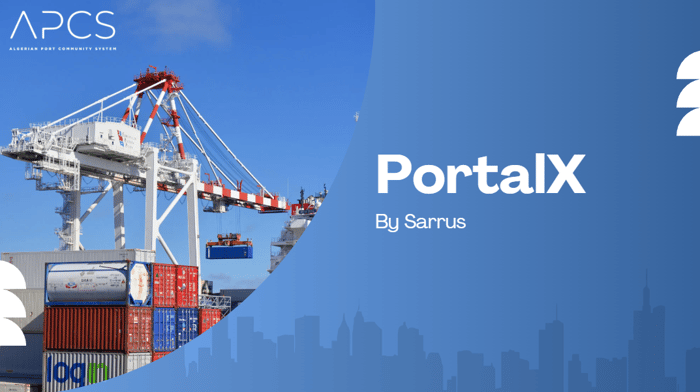
This weekend we participated in a 4-day hackathon that turned into one of the most intense builds I've done.
The Problem
APCS, a port company, was dealing with a logistical nightmare: companies with containers arriving at the port had no efficient way to schedule pickup appointments.
The old process:
Companies would show up without appointments hoping their container was ready
Port staff manually checked availability and scheduled pickups
Wait times of 2-4 hours were common
Companies had no visibility into available time slots
Port staff were overwhelmed with the same scheduling questions
This meant lost productivity, frustrated clients, and operational chaos at the port.
What We Built: PortalX
In 96 hours, our team shipped a complete booking platform with three components:
- Web Platform (Next.js)
Company dashboard for booking requests
Container tracking and status
Request appointment with preferred date/time
Real-time availability calendar
Approval system for port staff
- Mobile App
On-the-go booking for logistics managers
Push notifications for appointment confirmations
Container status updates
- AI Assistant (My Focus)
This was the most challenging and rewarding part. I built a RAG-based multi-agent system that handles booking conversations naturally.
Tech Stack for AI:
LangGraph - Multi-agent orchestration
Mistral API - LLM
PostgreSQL - Database for storing schedules and container data
Node.js - Backend API
Docker - Containerized deployment
How the AI Works:
Instead of filling forms, companies can just ask the AI:
User: "I want to book an appointment on a Friday before Christmas"
The system:
Search agent checks available Fridays in December before Christmas
Retrieves container status and validates eligibility
Responds: "Your container XYZ789 is ready. Available Fridays before Christmas: Dec 13 (9am, 2pm), Dec 20 (10am, 3pm). Which works for you?"
User: "December 20 at 10am"
Booking agent submits the request for port approval and confirms.
Another example:
User: "Check availability for next Tuesday morning"
AI: "Tuesday Dec 10, morning slots: 8am, 9:30am, 11am available. Your container ABC123 is cleared for pickup. Book one?"
Agent Architecture:
Supervisor Agent (LangGraph) - Routes queries based on intent
Search Agent - Handles availability lookups and date queries
Booking Agent - Manages appointment requests and submissions
Support Agent - Answers questions about container status, port policies, and procedures
Companies use their dashboard to submit formal booking requests, but can interact with the AI to quickly check availability, ask about specific dates, or get guidance making the whole process conversational instead of tedious form-filling.
The Reality Check
Was it perfect? Absolutely not.
We had:
Bugs we didn't have time to fix
UI that could be much cleaner
Edge cases we didn't handle
Features we wanted but couldn't finish
But here's what worked really well:
- The AI model was surprisingly functional 90%+ accuracy on test queries
- End-to-end booking flow worked smoothly
- Real-time data sync between components
- The multi-agent system handled complex date queries and conversational requests without breaking
We didn't win, but we built something functional that addressed a real problem, and that felt like a win in itself.
What I Learned
Technical:
LangGraph's state management is powerful for agent workflows
Dockerizing everything from day 1 saved us hours in deployment
Multi-agent systems need clear boundaries or they step on each other
Building RAG systems with proper context retrieval is harder than it looks
Natural language date parsing ("Friday before Christmas") requires careful prompt engineering
Non-technical:
Scope ruthlessly in hackathons we cut 40% of planned features
Sleep matters (even 4 hours makes a difference in code quality)
Demo quality matters as much as the product for hackathons
Building something people actually need is more satisfying than perfect code
What's Next
For me personally, this validated that I can ship functional AI systems under pressure. The multi-agent architecture patterns I learned here are already informing my next projects.
Looking for freelance opportunities: If you're building something that needs AI integration, chatbots, booking systems, or full-stack development (React/Node/Next.js), I'm available for freelance work. This project showed me I work well on tight timelines and real business problems.
Reach out: yacineyacine520@gmail.com
GitHub: https://github.com/apcs-MicroHack
Happy to answer questions about the tech stack or share more details about the implementation!
