Cat toothpaste, junior banking services, +2 more growing opportunities
Exploding Topics scours the internet to find emerging trends before they take off.
Here are four of the latest developments, along with some insights and analysis to help you take advantage.
1. Cat toothpaste
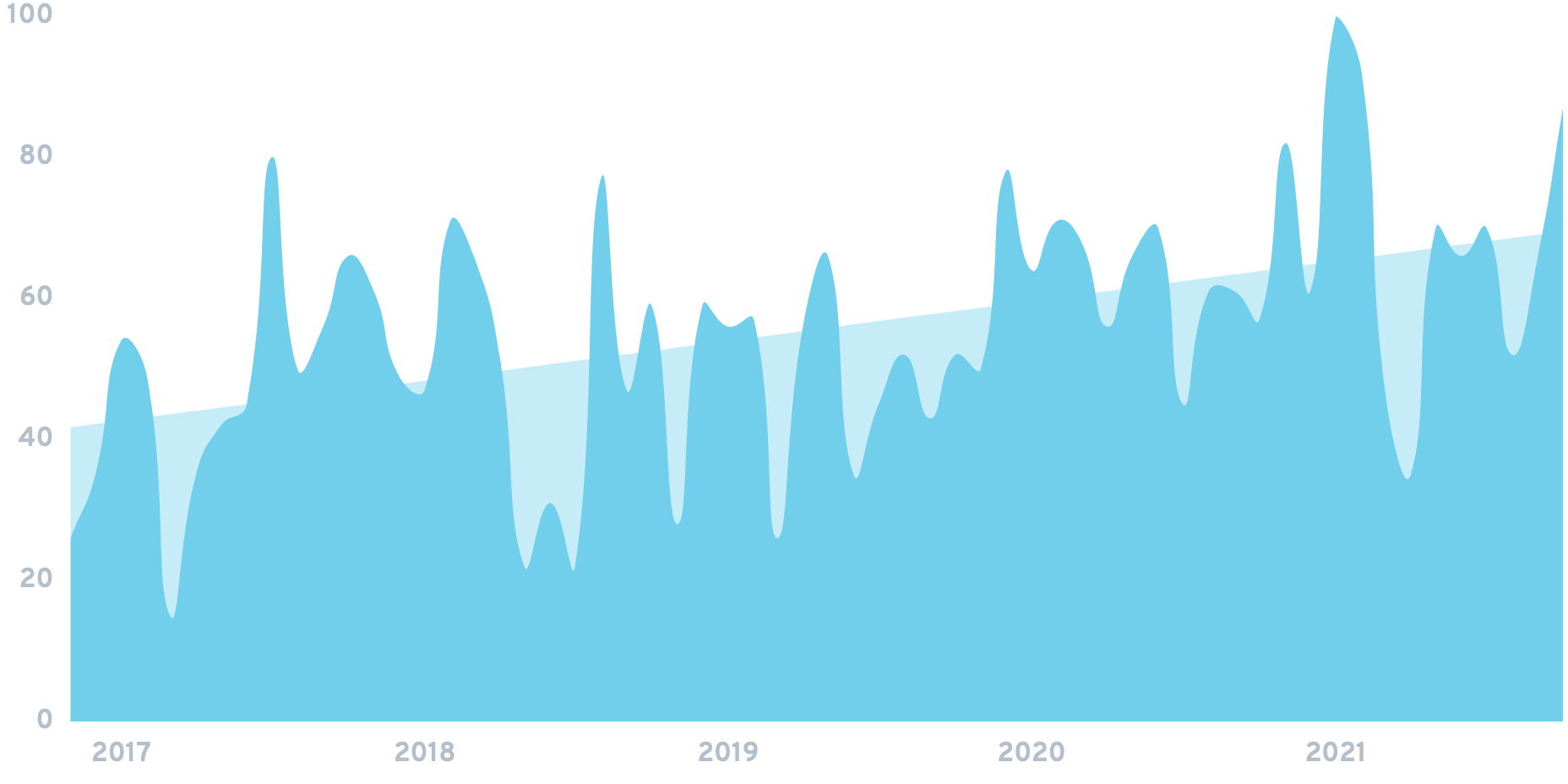
Searches for “cat toothpaste” are up 2.1x over the last 5 years.
50% to 90% of cats older than four years have some form of dental disease. According to an Ipsos survey, the vast majority (73%) of cat owners don’t yet brush their cat's teeth, suggesting a sizable untapped market opportunity.
Vibrac, one of the major brands in the pet oral care market, reported that dental products were among the pet product categories with the strongest growth over the last two years.
Chewy currently offers 10 different brands of cat toothbrushes. And Amazon lists 270 products under the “cat dental care” category.
It's forecasted that the pet oral care market will reach over $2.2B by 2022 — with much of that spending on toothpaste.
Growing brands in the space include OxyFresh, TropiClean, Virbac.
What’s next:
Cat toothpaste is a part of the holistic pet health meta trend.
Pet owners increasingly view healthy pet food and veterinary visits as bare minimums. Which is why we’re seeing pet owners are becoming more interested in their pet’s dental care and even mental health (for example, CBD for dogs).
In fact, U.S. spending on pet products and services reached $99B last year, an all-time high.
Other emerging topics driving this meta trend include freeze dried dog food, dog vitamins, raw dog food, pet insurance, vet telehealth.
2. Youtheory
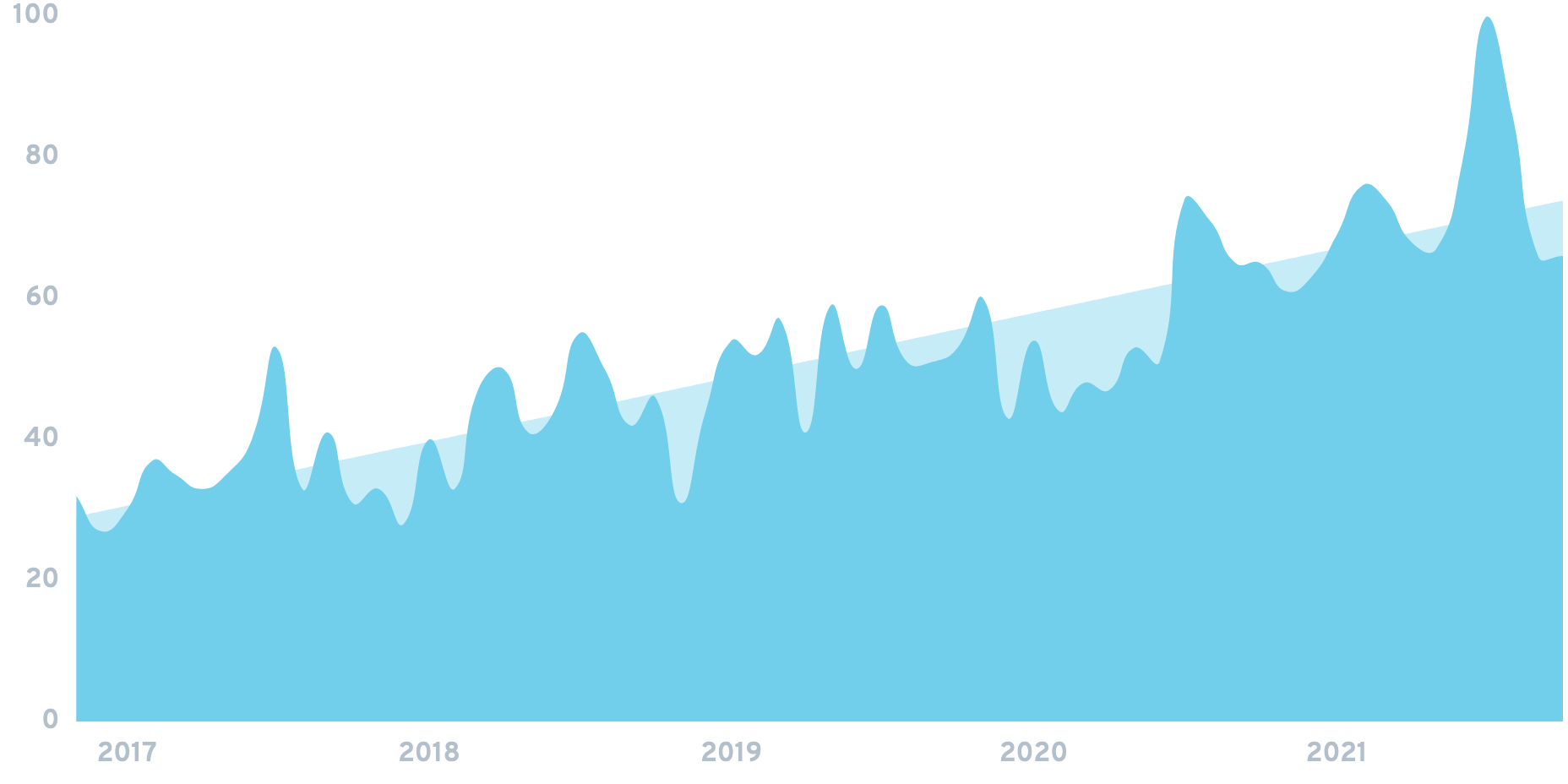
Youtheory is a “beauty supplement” brand.
The startup initially launched with a single collagen product. But has since expanded its product portfolio into 41 SKUs across 8 product lines.
Two of Youtheory bestsellers (collagen with vitamin C and joint collagen) are estimated to bring nearly $90K in monthly sales on Amazon alone (AMZScout).
What’s next:
Youtheory is part of the “Edible beauty products” meta trend.
32% of US consumers want the supplements they take to support beauty and skin health. Which is comparable with sleep health (38%) and stress relief (32%).
And nearly 15% of supplement launches in the US last year included products that claimed to improve skin, nail, and hair health.
Here are examples of growing brands in this space:
Dose & Co: New Zealand brand that offers collagen creamers and protein powders. The startup raised angel funding from Khloé Kardashian for an undisclosed amount in October 2020.
Gallinée: Skincare brand with formulations that include pre/pro/postbiotics. The startup raised $653K in their most recent funding round.
NatureBell: Known for their hyaluronic acid supplement (29% of female consumers in the US look for hyaluronic acid when purchasing beauty-related products).
3. Pistachio milk
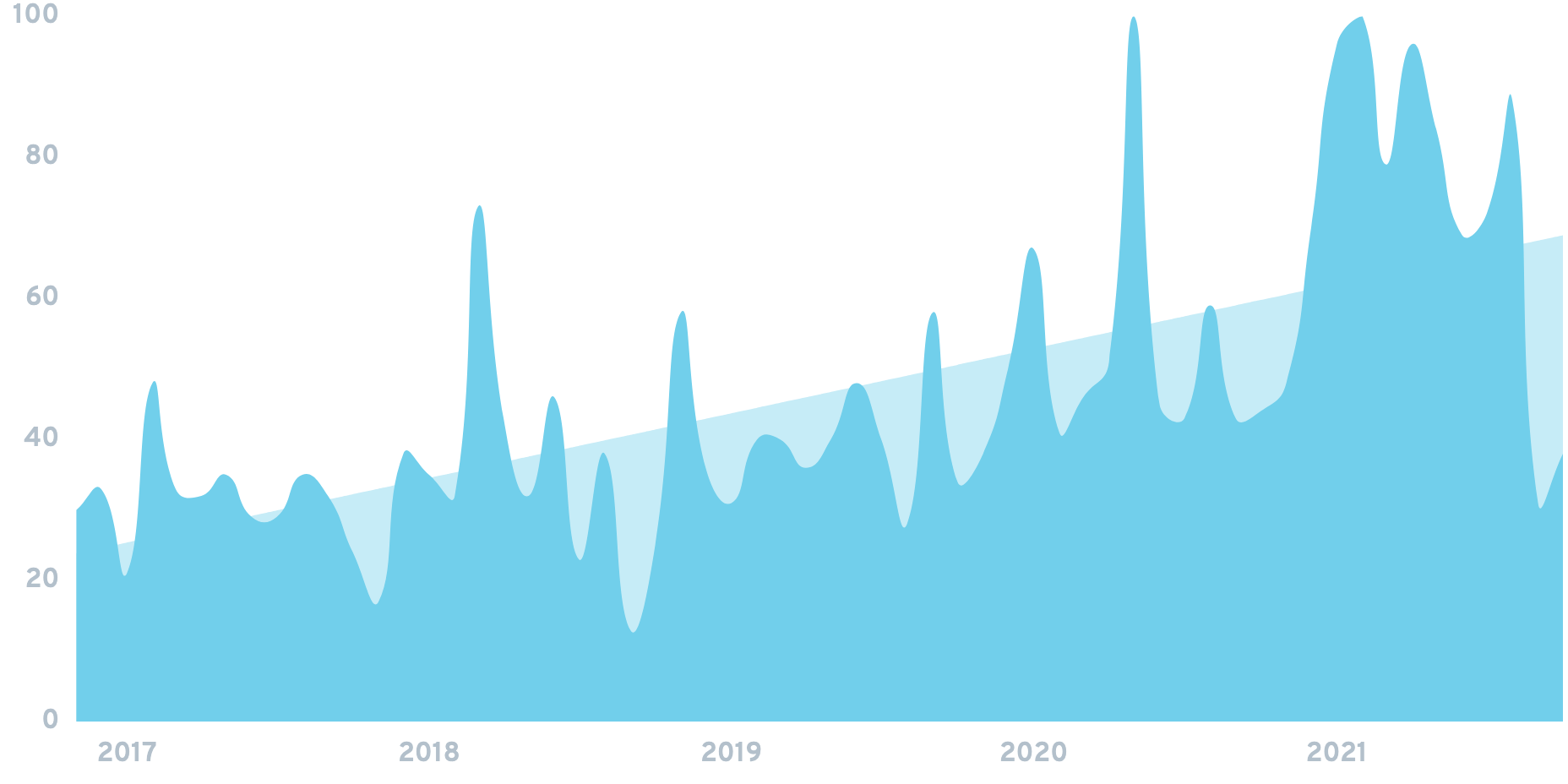
Pistachio milk is a dairy-free alternative to traditional milk.
Táche is the first pure pistachio milk brand in the US.
The brand claims that their production process uses 75% less water than making almond milk. Which appeals to the two-thirds of North American consumers who prefer eco-friendly brands.
And the startup raised $1.1M in its first six months, despite the fundraising drive coinciding with the onset of the COVID-19 pandemic.
Three Trees also offers a pistachio-based milk product. Their annual revenue stands at $4.4M.
What’s next:
Pistachio milk is part of the alt-milk meta trend.
Annual dairy-free milk sales in the US now exceed $1.8B.
Sproud is a Swedish alternative milk brand. It launched in the US last year.
The startup generated an estimated $2.9M last year.
There’s also an emerging industry for real dairy milk, created synthetically (without the use of animals).
Remilk has raised $11.3M funding to scale globally, in preparation for widespread regulatory approval.
Fast-growing milk alternatives include cashew milk, pea milk and plant milk.
4. GoHenry
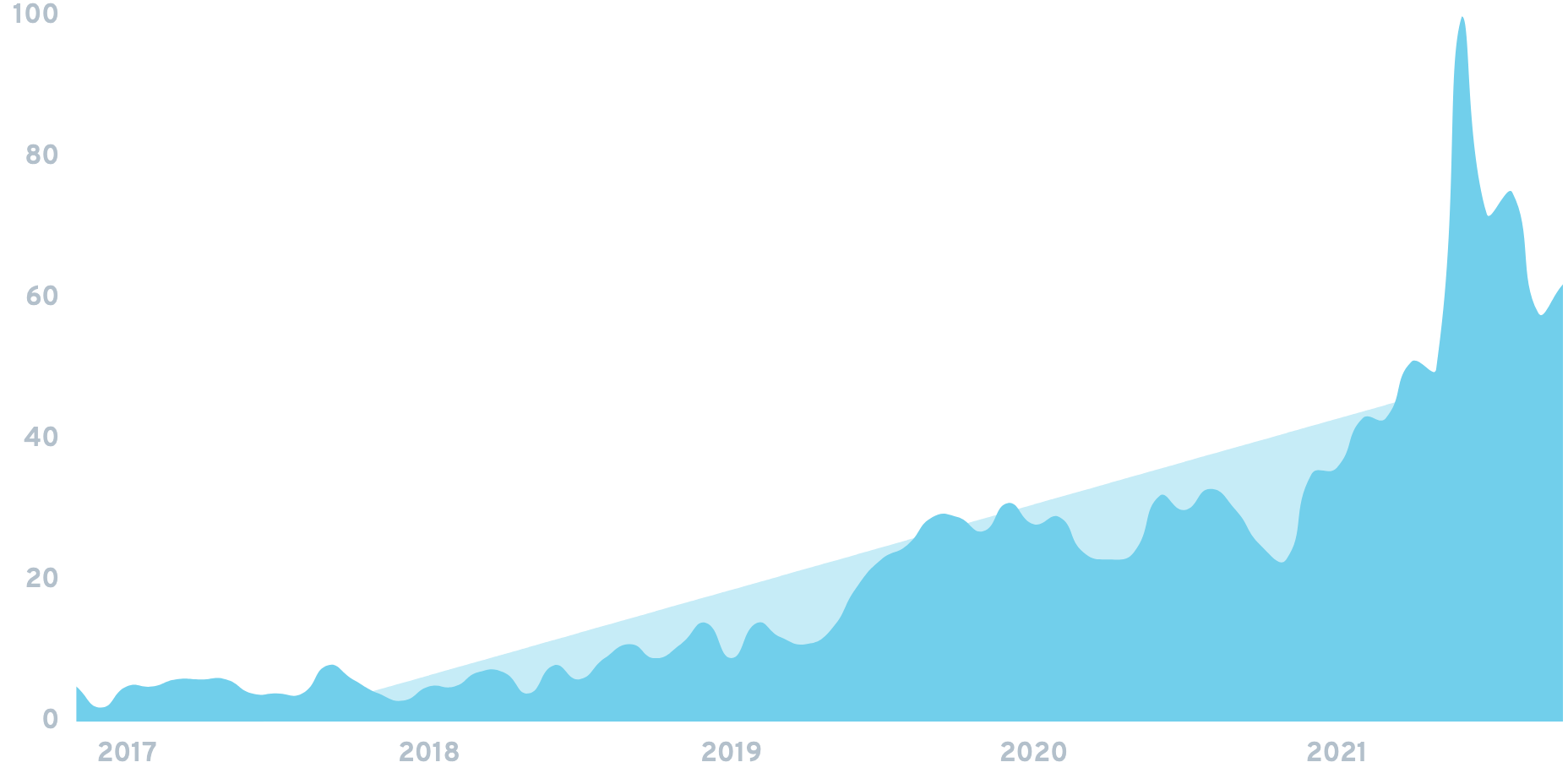
GoHenry is a pre-paid bank card designed to teach children financial responsibility.
The card functions much like a regular debit card. But parents can impose custom controls, like spending limits and blocks.
Taking into account both parents and children, GoHenry now has over 1M members worldwide. And membership has doubled each year for the past 6 years.
The startup has raised $16.5M in equity crowdfunding.
And in December last year, GoHenry raised $40M from its first institutional funding round.
What’s next:
GoHenry is part of the junior banking services meta trend.
84% of US children have some kind of financial account.
For example, Step is a banking service aimed at teenagers.
The startup raised a $100M Series C round in April. And Charli D’Amelio, an influencer with 126.3M TikTok followers, is a minority investor and “face” of the brand.
Major players in the digital banking space like Revolut are also launching child-focused products.
