How it felt bootstrapping my SaaS
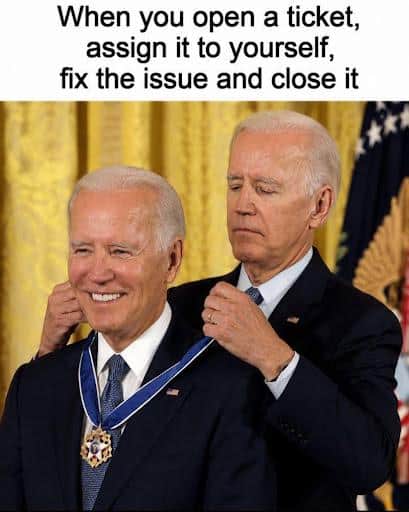
The only things I had when I started my SaaS in 2024: ChatGPT, Linear, and sheer determination by my side.
____
PS: Follow me on X along my building in public journey.
The only things I had when I started my SaaS in 2024: ChatGPT, Linear, and sheer determination by my side.
____
PS: Follow me on X along my building in public journey.


Solo bootstrapping really is assigning yourself a problem, fixing it, and then approving your own work. The speed is great, but without anyone else in the loop, it’s easy to close the ticket without questioning whether it was the right problem to solve.
That's the real cost of solo speed you never lose a day to a code review, but you also never get told 'wrong problem' before you've already shipped the fix. Curious if you've built any kind of external check for yourself, even something informal, or if you've made peace with just being wrong sometimes and course-correcting later?
Right now it’s mostly informal: I post the idea or positioning publicly, watch how people respond, and compare that with actual behavior on the site. I don’t have a formal advisor or review process yet, so yes, part of solo building is accepting that some decisions will be wrong and correcting them once there’s real evidence.
That's actually a decent proxy for a review process public reaction plus real behavior is harder to fool yourself with than just your own judgment alone. Slower feedback loop than a real advisor, but probably more honest, since people vote with actions, not politeness.
Exactly. The hard part is separating useful market feedback from random public reactions. I’m trying to weigh behavior much more heavily than comments . clicks, time on page, inquiries, and whether anyone actually pays. Public feedback helps generate hypotheses, but real actions decide whether I keep or kill them.
That's the right hierarchy comments are cheap, payment is the only signal that can't be faked or given out of politeness. Honestly, applying that same test to my own thing right now: plenty of engaged comments, zero payments yet. Which by your framework means the hypothesis isn't validated no matter how good the conversations feel. Useful gut check, even if it stings a little
Exactly. Zero payments doesn’t automatically mean the idea is dead—it means attention cannot yet be counted as validation.
The next test is a concrete offer to a specific buyer at a real price. If qualified prospects understand the value and repeatedly refuse to commit, then something fundamental has to change: the problem, the customer, the offer, or the price. Until that test happens, comments are useful research, not evidence of demand.
Yeah, that gap between “people like the idea” and “people need this enough to pay” is probably the hardest part of building solo.
I’m testing TaskRelay around that exact principle not assuming founders need help, but finding out which recurring tasks are painful enough that they’d actually want removed from their plate. The feedback is useful, but the payment test is the real conversation
Exactly. The dangerous part is choosing a task people complain about but still tolerate.
The strongest test is not “would this help?” but “what are you doing now, what does that cost you, and would you pay to remove it this week?” If the workaround is painful, frequent, and already consuming money or hours, TaskRelay has something real to replace.
Which recurring task are you testing first?
Exactly. I think that’s the trap a lot of founders fall into solving a problem people acknowledge but don’t feel enough pain to remove.
I’m trying to focus less on “what tasks are annoying?” and more on “what tasks keep coming back, steal founder time, and are expensive to ignore?”
The interesting part is that every founder already has a backlog of things they don’t want to do the challenge is finding which ones are painful enough that outsourcing actually feels like a relief rather than just a nice-to-have.
Curious on your side, what’s been the biggest recurring task or bottleneck you’ve noticed while building SongTrailer?