Living soil, TasteAtlas, +2 more trends to watch
Exploding Topics scours the internet to find emerging trends before they take off.
Here are four of the latest developments, along with some insights and analysis to help you take advantage.
1. Living Soil
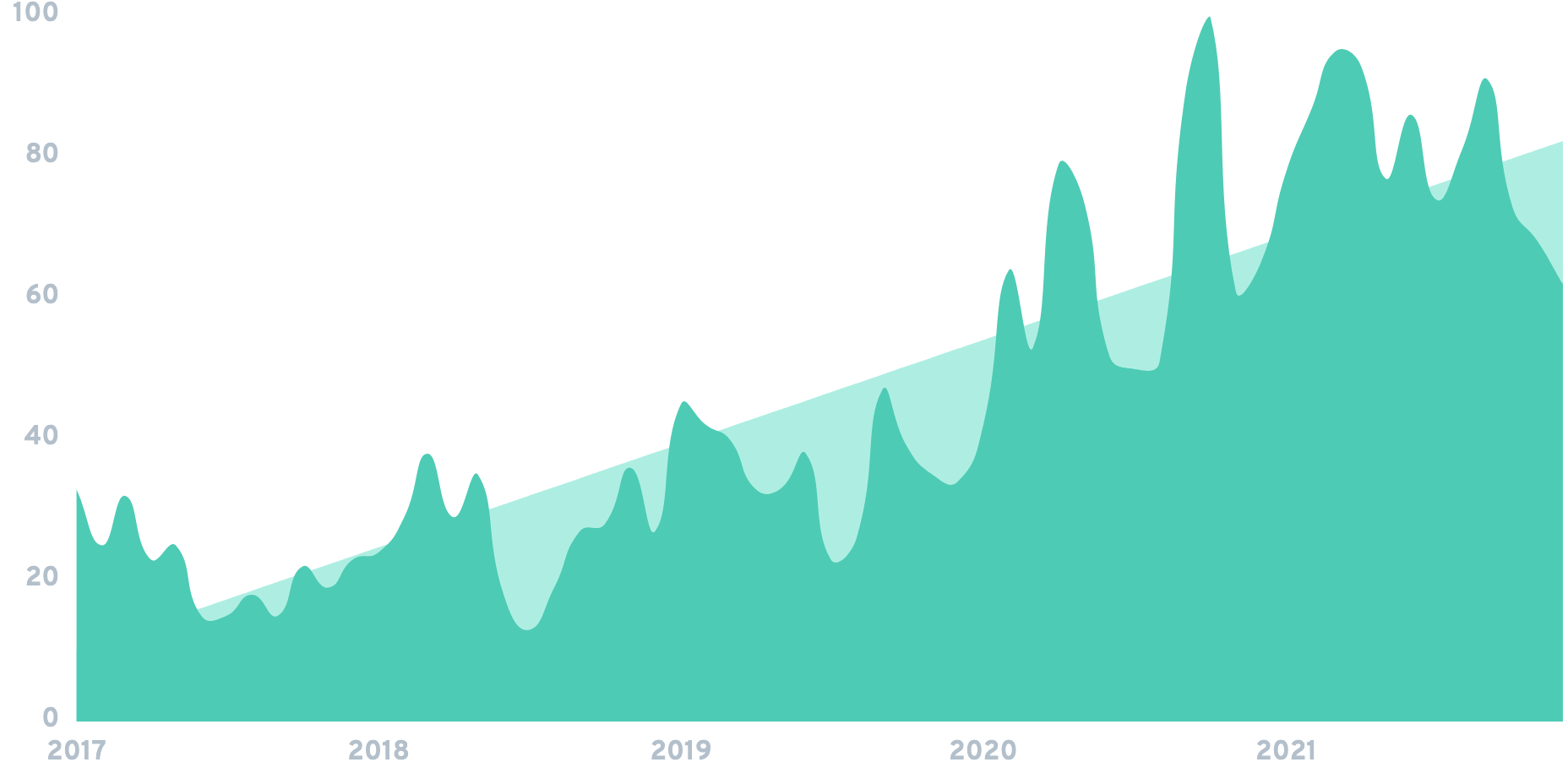
Living soil is compost that contains a collection of organisms that break down organic matter in the soil.
This, in turn, maximizes the nutrition a plant receives. Living soil actually mimics the natural state of soil, where a single teaspoon typically contains about 10K species of organisms.
For example, Redbud Soil Company specializes in living soil. The formulation is designed to have worms added for the optimum effectiveness.
Sold as a “premium soil blend”, the product has gone through 8 years of designing and testing.
Living soil is particularly popular among cannabis farmers.
What’s next:
Living soil is part of the innovative farming meta trend.
Agtech was a $9.1B industry last year (Statista). And the market is forecast to grow to $22.6B by 2025, at a CAGR of nearly 20%.
And in addition to technology, there’s the emergence of new practices like regenerative agriculture.
Augmenta makes tractor-mounted sensors designed to analyze crops in real time.
To date, 121.58K hectares of land have been assessed using the technology. And customers have increased their revenue by $926K, with an average yield increase of 2%.
The startup raised an $8M Series A round in March.
Other recent farming innovations showing rapid search growth include agricultural drones, Mootral (cattle feed supplements designed to reduce methane emissions) and Trace Genomics (DNA soil analysis).
2. TasteAtlas
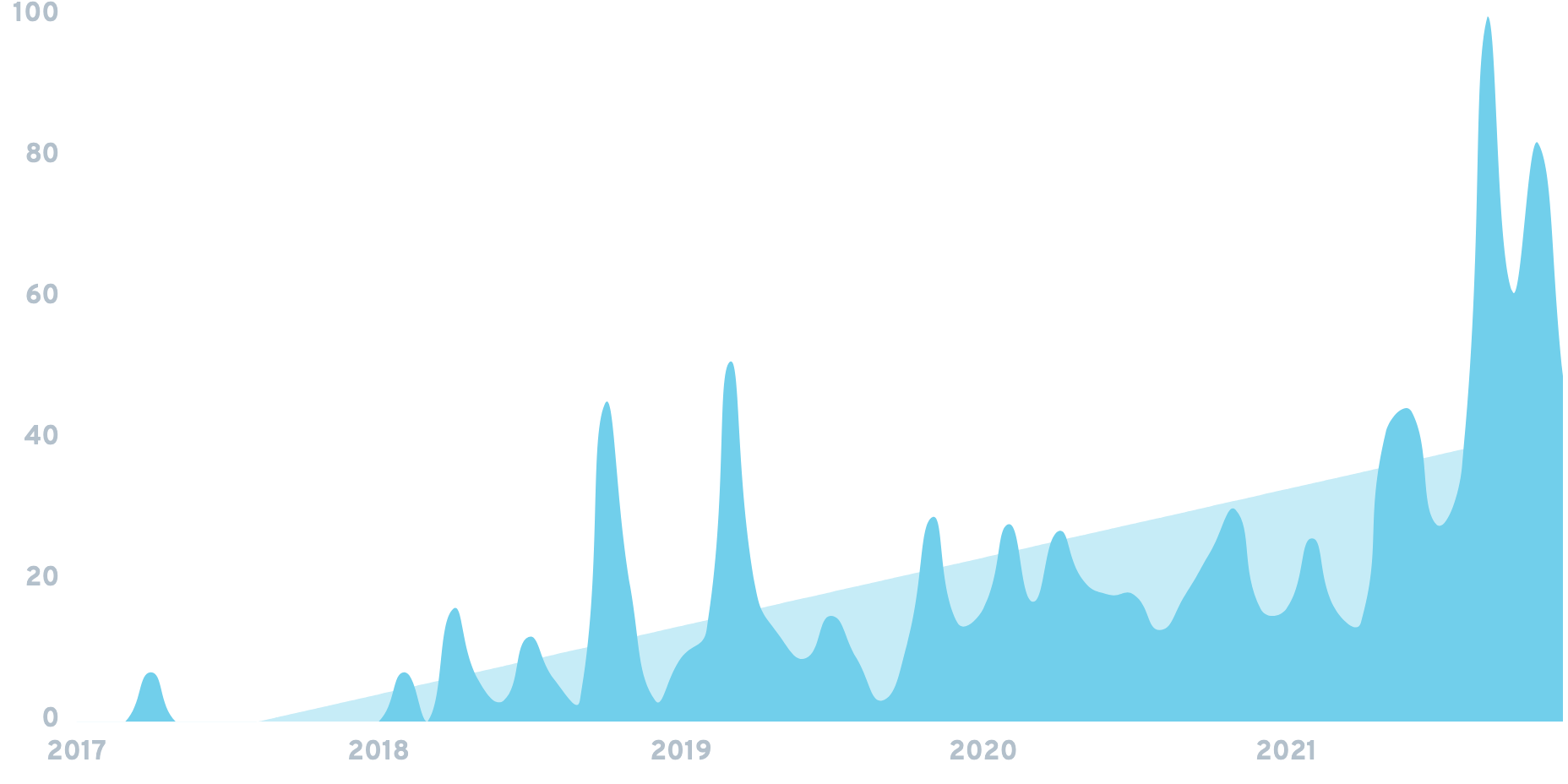
TasteAtlas is a “world food atlas”.
More than 10K foods and drinks are logged by geographical origin. Users can search by location to look for sellers of specific global dishes within a local area.
16.8K restaurants are included on the platform.
Altogether, reviews and recommendations from 49.7K food experts are collated as part of the encyclopedia. Public submissions are also accepted, albeit afforded less weight.
Even prior to the official launch, TasteAtlas gained traction with its pasta map of Italy. The graphic earned more than 6M views and 25K shares.
What’s next:
TasteAtlas is part of the “local global foods” meta trend.
The market for ethnic food is expected to grow at a CAGR of 11.8% through 2026.
SnackSurprise addresses this growing taste for non-domestic food with monthly themed snack boxes.
Australia, Italy and Bulgaria have all been covered so far this year.
Views of #SnackSurprise videos on TikTok have more than tripled since February, growing to 2.9M.
Other topics within the meta trend include Bokksu (Japanese snacks), SeoulBox (Korean food) and EthnicMixx (global groceries).
3. Einblick
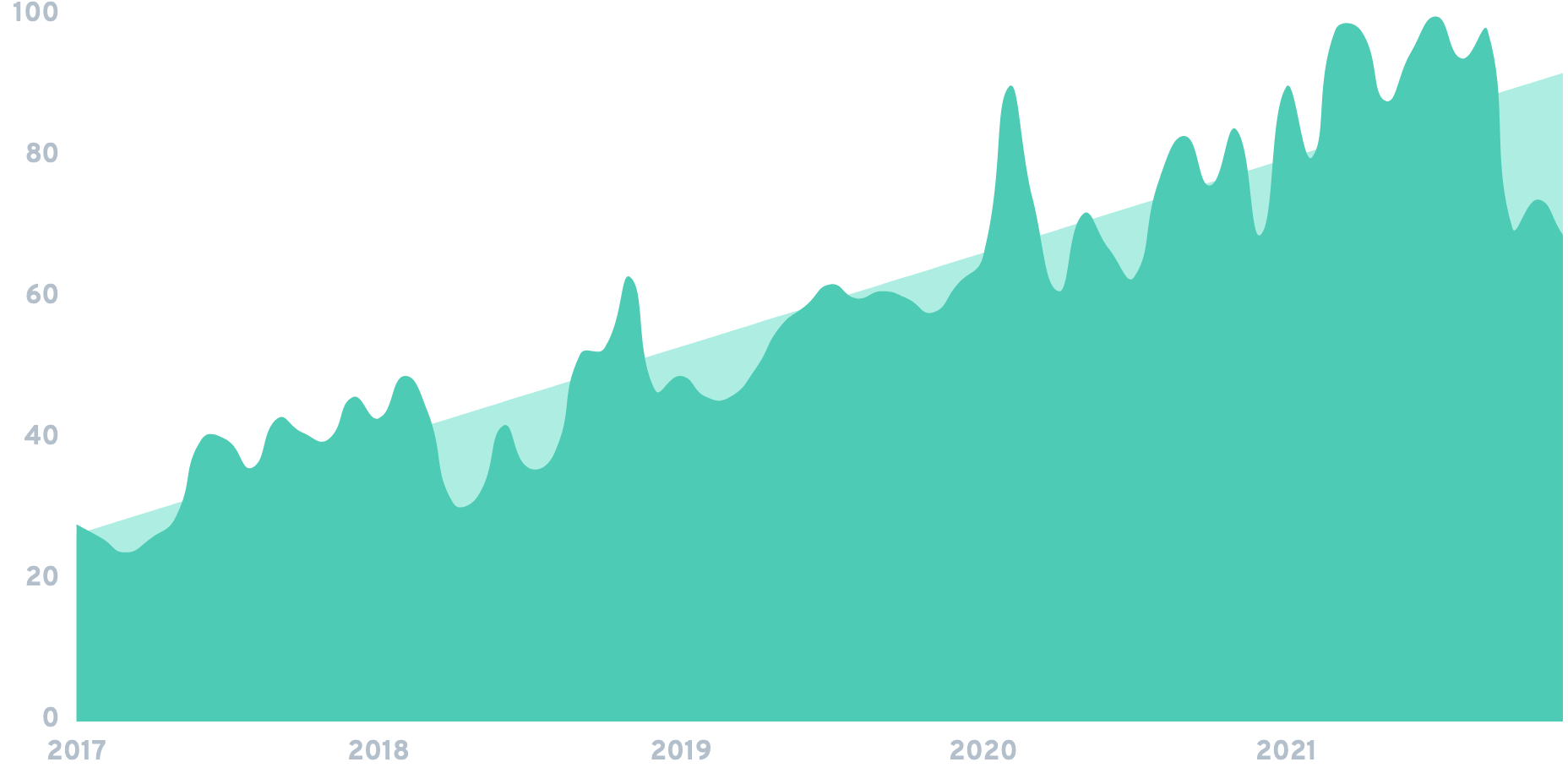
Einblick is a “collaborative visual data computing platform”.
In other words, it’s software for analysts and data scientists designed with three main use cases:
- Descriptive analytics
- Predictive analytics
- Prescriptive analytics
Right now Einblick focuses on enterprise clients in the banking, insurance, manufacturing, energy, healthcare, and retail industries.
The Massachusetts-based startup raised $6M in a seed round announced in December 2020.
What’s next:
Einblick is part of the predictive analytics meta trend.
The advanced and predictive analytics tool market is projected to grow by $9.35B by 2025, at a CAGR of 18.36%.
Here are few interesting startups in this space:
Pecan AI: No-code platform with automated data preparation (restructuring, encoding, and cleansing) engineered for creating predictive models. The Israeli-based startup has raised $50M in funding.
MyDataModels: Predictive analytics platform for non-developers. The startup has raised $3M in a seed funding round.
Hypersonix: AI-powered analytics platform. With the use of NLP, questions can be asked in a “Google-like” interaction. Hypersonix hit $7.4M in annualized revenue in 2021 and has raised $50.1M in funding.
4. Bartender Kit
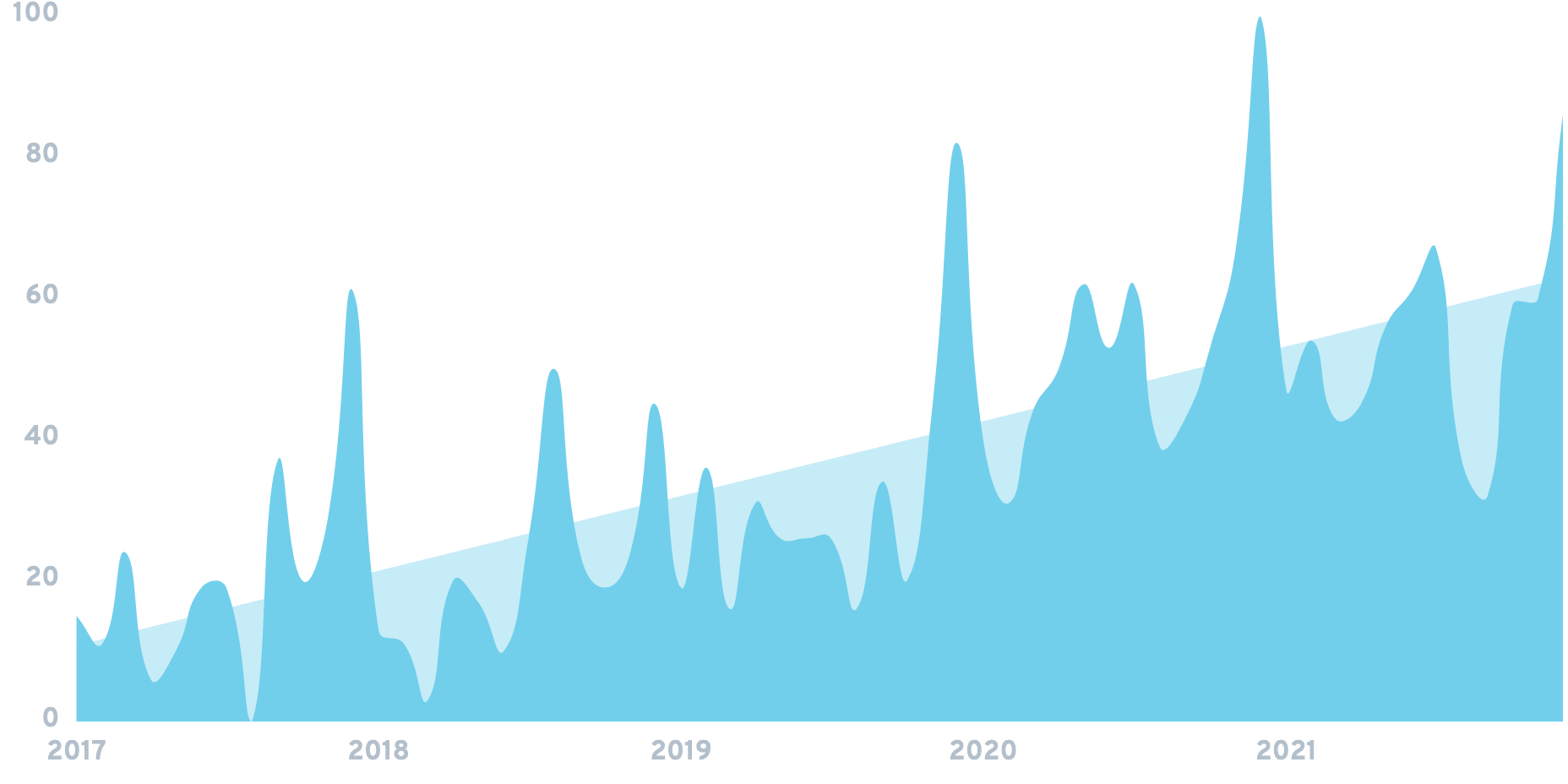
A bartender kit is a DIY cocktail mixing set for making bar-standard drinks at home.
The COVID-19 pandemic caused a near-instant spike in home cocktail drinking. In fact, in April last year, orders for liqueurs, cordials, schnapps and mixers were up by 600-1000%. And this trend appears to be continuing post-pandemic.
In addition to the ingredients, people making cocktails at home are on the hunt for pro-level equipment. One Cresimo kit on Amazon generates an estimated $75.21K per month (per AmzScout).
The kit, featuring a cocktail shaker, measuring jigger, mixing spoon and recipes booklet, has been rated 11.9K times.
And Bartesian, known for its premium cocktail makers, raised a $20M Series A round in April.
What’s next:
Bartender kits are part of the post-COVID alcohol boom meta trend.
Online alcohol sales have jumped 234% since the start of the pandemic.
Deadhead Rum is a Mexican rum brand. Known for its distinctive bottle designs, enjoyed its biggest ever search spike last Christmas.
Even prior to the holiday spike, parent company Iconic Brands reported 851% year over year growth in profits.
There’s also been parallel growth in alcohol alternatives. Stryyk, a non-alcoholic spirits brand, has an estimated annual revenue of $2M.
Other fast-growing topics in the meta trend include Tiny Rebel, CraftShack and Ritual Zero Proof.
