Mick’s transition to SaaS, MVP advice
What keeps so many entrepreneur-curious developers from launching a product? In this series, I speak with dev founders to see what inspired them to launch. Email me if you’re a dev-founder interested in sharing your story.
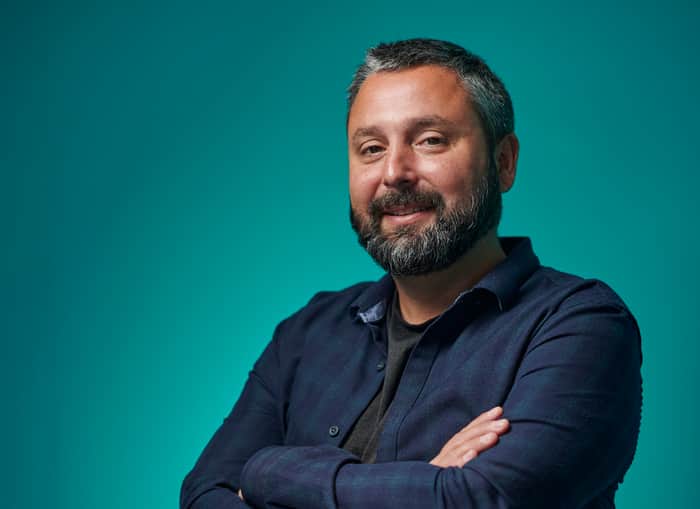
Mick Keromnes was a full-time software developer for two years before launching his own company.
Keromnes started out by offering on-demand 3D home design software but was confident a pivot to a SaaS product would help Cedreo, grow. The move paid off but it wasn’t devoid of growing pains or lessons.
I spoke with Mick about his entrepreneurial journey, what he’s learned, and his advice for indie hackers.
How’d you transition from on-demand software to SaaS?
We knew that we wanted to become a SaaS company but we wanted to identify where our SaaS market was. We had some criteria such as total addressable market — not too big to avoid intense competition with well-funded startups but not too small — and one with a “blue ocean” i.e. the possibility to put a dent in this market.
We also didn’t want something too sensitive to the macroeconomy. We found that it was possible to bring a lot of value to home building and remodeling professionals with a SaaS tool.
What did you learn from the transition?
Managing on-demand customers and our SaaS activity was a bit tricky between 2012 and 2017 and we decided to focus only on SaaS in 2017. Saying stop to profitable on-demand customers was a really tough decision but it was a good one. We went from $1 million ARR to $5 million in 5 years because we were only focused on our SaaS activity.
What was the most challenging part of your entrepreneurial journey?
The hardest part was moving from a tech guy mindset to an entrepreneur mindset with less focus on the product itself or on the technology and more focus and time to develop missing skills and take time to listen to the market and potential customers. We are all naturally used to staying in our comfort zone, sometimes it’s not conscious. It’s a big effort to move from a very tech-oriented mindset to a business-oriented mindset.
What pitfalls do you see first-time entrepreneurs fall into?
The very classic pitfall of first-time entrepreneurs I meet is to spend too much time developing an MVP as they’re convinced that developing the best product is 90% of the work.
It induces different problems:
- You don’t develop the best product like this but by speaking with potential customers
- You lose time developing features that are not strictly necessary to sell the product
- You’re not working on their marketing and sales action plans fast enough and discover too late (when you discover it) that it’s an important work
His advice on building an MVP
Getting feedback from the market quickly is critical. If you’re proud of your MVP it’s because it’s not an MVP, it’s a Version 1. But you did lose time because it was possible to go more rapidly on the market. It’s really OK if you’re not proud of your MVP.
What skills did you cultivate to become a well-rounded entrepreneur?
As I am originally an engineer, I needed to develop a lot of hard skills — finance, sales, marketing, etc. — but also my soft skills. We are now 45 people and I consider that we can’t be a good managers if we don’t work on ourselves and good management is key for global performance.
Any advice for devs that are cautious about starting a company?
To find a good balance between business and tech tasks, 80% of your effort should be on business because you might unconsciously change that 80% into 50%
