Most AI tools guess. We built one that answers from what's actually worked, and failed, for real startups.
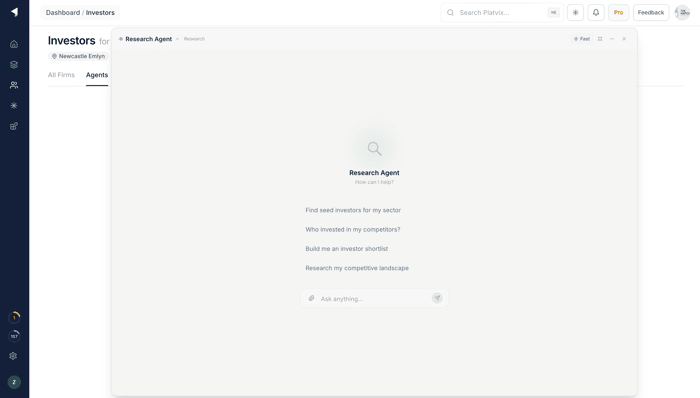
ChatGPT is great for brainstorming. But ask it "should I cut my price to compete" and you'll get a confident answer that's still just a guess. It has no idea what's worked for startups like yours.
That's the gap we just shipped a fix for in Platvix.
You can now ask direct questions about your own startup—pricing, positioning, who to target next, and get answers grounded in real outcomes from successful and failed startups, not generic reasoning.
Two things we're genuinely excited about:
It guides you on who to go after, customers and investors both. Not just "which investors fit your stage and sector," but which customer segments have been the best wedge for startups in your position, based on patterns from teams that found traction fast versus ones that stalled.
It's grounded, not generic. Ask "is my TAM realistic" or "why might investors be passing on this" and it reasons from what's actually happened across hundreds of raises and launches.
No usage stats to share yet, we just shipped this. So we're looking for founders to stress-test it.
Platvix is free. Upload your deck, try the new feature, and tell me what's broken.
What's a question about your startup you wish someone could actually answer for you—instead of guess at?

I like the distinction between reasoning and evidence. Founders rarely struggle to get opinions—they struggle to know whether a decision has actually worked for companies in a similar position. Grounding recommendations in real outcomes feels like a much stronger direction than simply generating more confident answers.
The hard part was being honest about uncertainty. If the data doesn't support a strong answer, the system has to say so, not invent a confident one. That's the bit that's tempting to skip, but it's where most AI tools lose founders.
What are you building?
I'm building a practice around helping founders evaluate strategic decisions before execution quietly locks them into one direction.
Your point about uncertainty stood out. I have a couple of thoughts on how that changes founder trust that are easier to explain over email.
What's the best email to reach you?
Zeeshanali@platvix.com
Thanks! I've just sent it over.
Looking forward to hearing your thoughts whenever you have a chance.