TM SIM Registration Requirements: What Documents Do You Need?
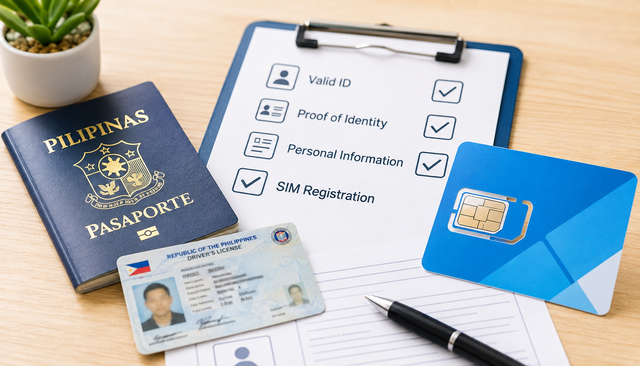
Getting a TM SIM card is a straightforward process, but registration is an important step that every subscriber needs to complete. Proper registration helps verify the identity of the SIM owner and ensures that the mobile number is connected to accurate subscriber information. Before visiting a registration outlet or completing the process through an available digital channel, it is useful to know which documents and details you may need.
For new and existing users, understanding the requirements can save time and prevent unnecessary delays. This guide explains the documents generally needed for TM SIM registration, the information you should prepare, and some practical tips for making the registration process easier.
Why TM SIM Registration Is Important
SIM registration connects a mobile number with the verified identity of its owner. This process supports safer mobile communication and helps telecommunications providers maintain accurate customer records.
A registered SIM can also make it easier to access services associated with your mobile account. If your information is incomplete or incorrect, you may experience difficulties when requesting certain account-related services.
Registration is particularly important when purchasing a new SIM. Instead of waiting until you encounter an issue, preparing the required identification and personal information beforehand can make the process much smoother.
Basic Documents Needed for TM SIM Registration
The exact requirements can depend on your situation, age, citizenship, and the current registration procedures of the telecommunications provider. However, subscribers should generally prepare a valid identification document and accurate personal information.
Common requirements may include:
- A valid government-issued identification document
- Full legal name
- Date of birth
- Residential or registered address
- Active mobile number, when applicable
- Other information requested during verification
Your identification document should be valid, readable, and consistent with the information you provide during registration. Using outdated or damaged identification can potentially cause verification problems.
Before starting the process, check the latest requirements from the official TM or Globe channels because acceptable documents and procedures may change over time.
Valid Identification Documents
A government-issued ID is one of the most important requirements for SIM registration. The purpose of providing an ID is to verify that the person registering the SIM is the legitimate subscriber.
Depending on the registration rules applicable to the subscriber, acceptable identification may include government-issued documents such as a passport, driver's license, national identification card, or another recognized identification document.
The important point is to use an identification document that is officially accepted under the current registration rules.
Make sure the following details are clearly visible:
- Your complete name
- Photograph, if applicable
- Date of birth
- Identification number
- Other required identifying information
If your ID contains information that does not match the details you enter during registration, you may need to resolve the discrepancy before the process can be completed.
Information You Should Prepare Before Registration
Documents are only part of the process. You may also need to provide personal information during registration. Preparing these details in advance can make the process quicker and reduce mistakes.
Typically, subscribers should be ready to provide their complete name, date of birth, address, and other information required by the registration form.
When entering information, use the details exactly as they appear on your official identification whenever the registration instructions require it. Avoid using nicknames, shortened names, or incorrect addresses.
Carefully review every field before submitting the registration. A small spelling error in your name or an incorrect identification number can create problems later.
Requirements for Minors
SIM registration requirements can be different for subscribers who are below the applicable legal age. In such cases, a parent, legal guardian, or another authorized adult may need to participate in the registration process.
The adult may be required to provide their own valid identification and additional documents showing their relationship or authority over the minor.
Because rules for minors can be more specific, parents and guardians should check the current requirements before attempting registration.
Having all relevant documents available can help avoid multiple visits or rejected submissions.
Requirements for Foreign Nationals
Foreign visitors and residents may have different registration requirements from Filipino citizens. A foreign national may need to provide a passport, visa-related information, or other documentation depending on the purpose and duration of their stay.
The required information can also depend on whether the SIM is being used temporarily or for a longer period.
Foreign nationals should therefore review the current registration rules applicable to their status. Preparing the passport and relevant immigration documents in advance is a practical way to make the process easier.
What If Your Information Has Changed?
Sometimes, a subscriber may already have a SIM but discover that personal information needs to be updated. For example, an address may have changed, or information on an account may no longer match the subscriber's current identification.
In these situations, you may need to complete an information update rather than treating the process as a completely new registration.
Keep your identification documents available and make sure the information you submit is accurate. If you are uncertain about which documents are required for an update, contact the provider through its official customer service channels.
How to Prepare for TM SIM Registration
Good preparation can make the registration process much less stressful. Before starting, gather the documents you are likely to need and check that everything is current and readable.
A simple preparation checklist includes:
- Keep your valid ID nearby.
- Check that your personal information is accurate.
- Use your legal name consistently.
- Prepare your current address.
- Make sure any required document images are clear.
- Review the information before submitting it.
If you are completing the process online, use a reliable internet connection and make sure the device you are using can upload documents or photographs when required.
For people who prefer in-person assistance, bringing the original identification document is generally a sensible precaution.
Using tm sim registration Information Correctly
When searching for information about tm sim registration, users should pay attention to the source of the information. Registration policies can change, and older articles or social media posts may contain outdated instructions.
Look for information from official telecommunications channels whenever possible. This is especially important when checking accepted IDs, registration deadlines, requirements for minors, and procedures for foreign nationals.
Avoid entering personal information into websites that are not trustworthy. Your identification details are sensitive, so only provide them through legitimate registration channels.
Common Mistakes to Avoid
Many registration problems are caused by simple mistakes rather than complicated issues. Taking a few minutes to review your information can prevent unnecessary delays.
One common mistake is entering a name differently from the name shown on the identification document. Another is uploading an unclear image of an ID when an online process requires document verification.
Subscribers should also avoid submitting incomplete information. If a registration form asks for specific details, provide them accurately and completely.
Other mistakes to avoid include:
- Using an expired or unacceptable ID
- Entering incorrect personal information
- Uploading blurry document images
- Providing someone else's identification details
- Using unofficial registration websites
- Ignoring instructions shown during the registration process
Careful preparation is usually much easier than correcting an issue after submission.
Keeping Your Registration Details Secure
Your identification information should always be handled carefully. Never share photographs of your ID, identification numbers, passwords, or verification codes with unknown individuals.
If someone contacts you claiming to represent a telecommunications company, verify their identity before providing personal information. Be particularly cautious about unexpected messages asking you to click unfamiliar links or send copies of your documents.
When registering online, check that you are using an official website or application. Avoid completing registration on public computers when possible, especially if the device may save personal information.
Security is an important part of the registration process because your mobile number may be connected to banking, messaging, social media, and other accounts.
What to Do If Registration Is Not Completed
If your registration attempt fails, do not immediately assume that your SIM card or identification document is unusable. First, review the information you submitted and check whether the required documents meet the current criteria.
If the issue continues, contact the provider's official customer support service or visit an authorized service location. Explain the problem clearly and ask what additional documentation may be required.
Keep any reference number, confirmation message, or error notification associated with your registration. These details can help customer service understand what happened and provide more specific assistance.
A Simple Way to Stay Prepared
Knowing the documentation requirements before starting TM SIM registration can save time and make the entire process easier. A valid identification document, accurate personal information, and careful attention to the registration instructions are the main things subscribers should prepare.
Requirements may differ for minors, foreign nationals, and people updating existing subscriber information, so checking the latest official instructions is always a smart step.
By preparing your documents in advance, protecting your personal information, and carefully reviewing every detail before submission, you can approach the registration process with greater confidence and avoid many common problems.
