USB-C Charger Wattage Guide for Australians
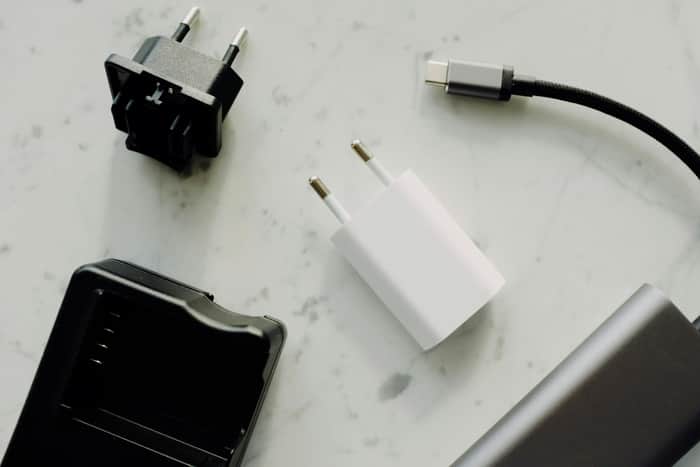
If you've ever stood in a store staring at a wall of chargers wondering which one to pick, you're not alone. Choosing the right usb c charger australia can feel overwhelming, especially when every box is covered in numbers like 18W, 45W, 65W, and 100W.
What does any of it actually mean?
This guide is here to make it simple. By the end, you'll know exactly what wattage you need, what to look for on the box, and how to avoid buying a charger that's either too weak or unnecessarily expensive.
What Is Wattage and Why Does It Matter?
Wattage is basically the measurement of how much power a charger can deliver to your device. The higher the wattage, the faster your device can charge — but only if your device supports it.
Think of it like a water pipe. A wider pipe lets more water through. A higher wattage charger pushes more power through to your device. But if your device can only handle a small amount, the extra power doesn't help. Your device will simply use what it needs and ignore the rest.
This is why understanding wattage matters before you spend money on a usb c charger australia
Volts and Amps: The Two Parts of Wattage
Wattage is calculated by multiplying volts by amps. So a charger that outputs 5 volts at 3 amps delivers 15 watts. You don't need to memorise this, but it helps explain why two chargers that both say "USB-C" can charge at very different speeds.
Most modern USB-C chargers use something called Power Delivery, or PD. This technology allows the charger and the device to communicate and agree on the best voltage and current to use. It's smarter and safer than older charging methods.
Common USB-C Wattage Levels Explained
5W to 18W — Basic and Slow
These are the entry-level chargers. A 5W charger will top up your phone eventually, but it's slow. An 18W charger is noticeably faster and works well for most smartphones that support fast charging.
If you're just charging a small device like earbuds or a basic phone, this range is fine. But for anything more demanding, you'll want to go higher.
20W to 30W — The Sweet Spot for Phones
This is where most modern smartphones sit comfortably. Apple's iPhones from the iPhone 12 onwards charge best with a 20W USB C charger. Many Android phones from Samsung, Google, and others also fall into this range.
If you're shopping for a USB C charger in Australia for everyday phone use, a 20W to 30W charger is usually all you need. It charges fast without overloading your device.
45W to 65W — Ideal for Tablets and Ultrabooks
If you own a tablet like an iPad Pro or a lightweight laptop, this is your zone. These devices need more power to charge at a reasonable speed, and a 45W or 65W charger hits that balance nicely.
Many Australian users who work from home or travel with a laptop find that a 65W USB-C charger covers all their devices. You can charge your laptop, tablet, and phone from the same charger if it has multiple ports.
100W and Above — For Power Users
These high-wattage chargers are built for gaming laptops, large MacBooks, and professional machines that drain power quickly. If you're using a MacBook Pro 16-inch or a high-performance Windows laptop, you'll likely need 96W to 140W to charge at full speed.
Going below the recommended wattage won't damage your laptop, but it may charge slowly or not charge at all while you're using it.
How to Find Out What Wattage Your Device Needs
The easiest way is to check the original charger that came with your device. Look at the output section and note the wattage listed there.
You can also check the manufacturer's website or the device manual. Most product pages for phones and laptops clearly state the maximum charging wattage supported.
If you've lost your original charger and can't find the specs online, a 30W USB C charger is a safe middle-ground for most phones and tablets. For laptops, try to find the exact specs before buying.
Australian Power Standards and USB-C Chargers
Australia uses 230V AC power at 50Hz. This is different from countries like the United States, which use 110V. The good news is that most modern USB C chargers sold in Australia are designed to handle a wide voltage range, typically 100V to 240V.
This means they work fine in Australian homes and offices without any adapters.
However, always check the fine print on the charger box. Look for the input voltage range listed on the label. If it says 100-240V, you're good to go anywhere in Australia and most countries around the world.
Australian Safety Standards to Look For
When buying a USB C charger in Australia, look for products that are RCM marked. The RCM, or Regulatory Compliance Mark, means the product has been tested and meets Australian safety and electrical standards.
Cheap chargers without this mark may not be built to handle Australian voltage properly. This can lead to overheating, slow charging, or in rare cases, a safety hazard. It's always worth paying a little more for a quality, compliant charger.
GaN Chargers: The Smart Choice for Australians
You may have seen the term GaN on newer chargers. GaN stands for Gallium Nitride, which is a material used to build more efficient charging components. GaN chargers run cooler, are more compact, and can deliver higher wattage in a smaller size compared to older silicon-based chargers.
For Australians who travel frequently or work across multiple devices, a GaN USB C charger is a fantastic option. You get powerful, fast charging in a plug that fits easily in a bag or laptop case.
Many 65W and 100W GaN chargers are now barely bigger than a standard phone charger. That's genuinely impressive compared to the bulky power bricks of just a few years ago.
Multi-Port USB-C Chargers: One Charger for Everything
If you're tired of carrying multiple chargers, a multi-port USB C charger might be your best investment. These chargers have two or more ports, often a mix of USB-C and USB-A, so you can charge several devices at once.
The key thing to understand with multi-port chargers is power sharing. When you plug in two devices, the total wattage is split between them. So a 65W two-port charger might give 45W to your laptop and 20W to your phone.
Always check the per-port output specs before buying, especially if fast charging your phone while using your laptop matters to you.
Matching the Right Charger to the Right Device
For iPhone Users in Australia
Apple recommends a minimum of 20W for fast charging iPhones. A 20W or 30W USB C charger will give you fast charge speeds without overspending. If you have a newer MacBook as well, a 67W charger covers both.
For Android Users in Australia
Samsung, Google Pixel, and most other Android phones support USB Power Delivery. A 25W to 45W USB C charger will work well for almost all current Android flagship phones.
For Laptop Users in Australia
Match the wattage as closely as possible to your laptop's recommended charger. Going slightly higher in wattage is fine and won't cause damage. Going significantly lower may result in very slow charging or no charging under heavy load.
What Happens If You Use the Wrong Wattage?
Using a lower wattage charger than recommended is usually safe. Your device will just charge more slowly. Some laptops may show "plugged in, not charging" if the wattage is too low.
Using a higher wattage charger is also generally safe. Modern devices use built-in chips to regulate how much power they draw. The device controls the charge rate, not the charger.
The real risk comes from using low-quality or uncertified chargers. These may not regulate power properly, which can lead to overheating or battery damage over time.
Final Thoughts
Picking the right USB C charger in Australia comes down to three things: knowing your device's wattage needs, choosing a charger that meets Australian safety standards, and deciding whether features like GaN technology or multiple ports are worth it for your lifestyle.
Once you understand what all those numbers on the box actually mean, shopping for a charger becomes a lot less confusing. You stop guessing and start buying with confidence.
Whether you need a compact 20W charger for your phone or a powerful 100W GaN charger for your laptop setup, there's a perfect USB C charger in Australia waiting for you. You just need to know what to look for.

Nice breakdown. One thing I ran into recently is how some multi-port chargers split power in weird ways, so a port that says 65W might drop heaps once another device is plugged in. I started checking the per-port charts before buying and it saved me from a dud. GaN bricks have been the MVP for travel too, way lighter in my bag.