Why do 90% of smart rings end up in a drawer after 2 weeks? 🧵
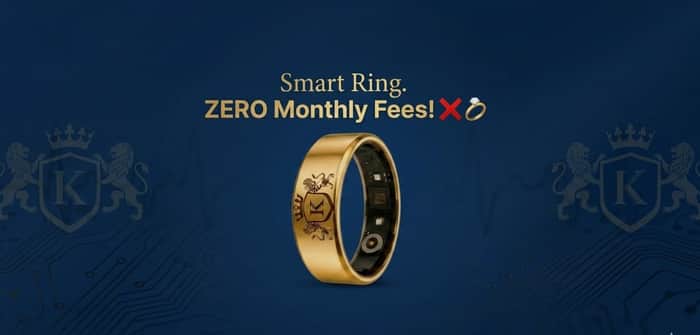
Let's talk about the silent "engagement crisis" in consumer health tech.
Right now, market incumbents are incredibly data-rich but terribly insight-poor. You buy a premium device, you pay a mandatory monthly subscription, and what do you get? A dashboard full of cold, passive metrics.
“Your sleep score is 62.”
“Your HRV dropped by 10%.”
And then? Nothing. The product acts like an analytical dashboard instead of a biological filter. It forces users into "Analysis Paralysis"—demanding interpretation and inducing tech-driven anxiety until they get fatigued and throw the ring into a drawer.
At Ke Hon, we believe wearables shouldn’t measure you; they should protect your focus.
The future of smart health isn't collecting more data—it's reducing the number of micro-decisions you have to make in a high-stress day. True intelligence means shifting from passive tracking to real-time, context-aware guidance.
Instead of a sleep score, your wearable should quietly steer your behavior: 'Your nervous system is redlining from that deep-focus block. Skip the high-intensity workout at 6 PM; opt for a 15-min NSDR right now to salvage your evening brain power.'
We are building the next generation of AI-native smart health devices to serve as a subtle biological filter. Less noise, more action.
What’s the biggest friction point you’ve experienced with your current wearable? Let’s discuss below. 👇
🌐 Designed by Ke Hon UK | Operation in Macau. (Link to our Medium technical deep-dive in the first comment)

Here is the complete blueprint of how we are architechturing the 'Subtle Biological Filter' to eliminate wearable fatigue. Read the full technical brief on our Medium column below 👇 [https://medium.com/@kehontech/beyond-the-data-trap-how-ai-native-wearables-are-solving-the-engagement-crisis-in-health-tech-066cc3562691?sharedUserId=kehontech]