Why does every "focus music" channel sound like it came from the same three presets?
I got tired of playlists that loop every 20 minutes or cut to an ad mid-flow-state, so I started building my own — mood-segmented instrumental sessions made with Suno and Gemini, 3–4 hours each, zero interruptions, built for people who are heads-down on something.
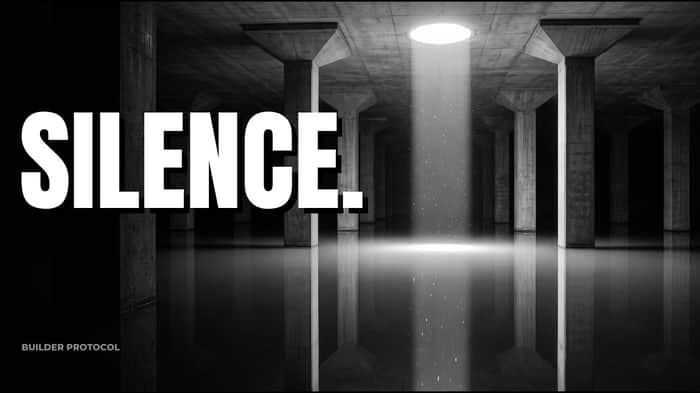
Three modes so far: morning execution music, late-night coding sessions, and pure ambient silence for deep problem-solving. Just shipped the newest Build in Silence session — brutalist, beatless, four hours, made for work that needs the room empty.
Still early. Building this the same way I'd build any other product — ship, watch the data, iterate. Curious if anyone else here has built their own tools/environment instead of just using what's already out there.

What stands out here is that you're solving a measurement problem, not just an experience problem. Every generic focus playlist measures success as "how many people will use this default setting." Your version measures success as "does this match the specific work I'm doing right now."
That's the invisible gap most founders miss—they optimize for adoption breadth when they should measure for depth. A playlist that works for 50% of listeners is considered successful. A session that works for 100% of YOUR use cases is only successful if you're the one measuring.
The three presets observation matters because it reveals the constraint: streaming platforms optimize for average listeners, which means they optimize for the middle. They measure by scale, not by depth. You're essentially unbundling that—measuring by fit instead of breadth.
The interesting part is whether you can measure other people's "deep work" needs as precisely as you can measure your own. That's the real transition from personal tool to product. How do you know what silence sounds like for someone else?