Why personalization isn't just a buzzword (and how to start)
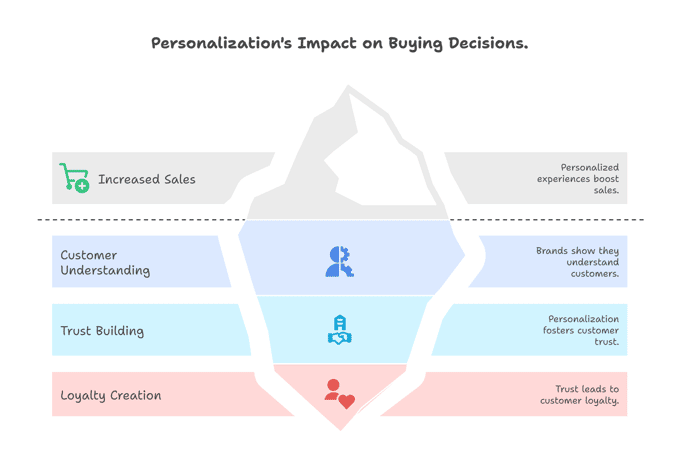
I'm absolutely fascinated by how much personalization affects our buying decisions. It's crazy to think about the power of it.
Epsilon's research really backs this up, finding that a huge 80% of customers are more likely to buy from brands that offer personalized experiences. Just look at Amazon—a whopping 35% of their revenue comes from those super-personalized suggestions. They really know how to use data to their advantage.
But it’s so much more than just putting "Hi [First Name]" in an email. It’s about truly understanding people. It's about getting the right product in front of the right person at the right time, and in the way they want to see it.
Ultimately, personalization builds trust, and trust is what creates loyalty.
🔑 How to get started with personalization
Here are some good places to begin:
-
Focus on behavior, not just demographics.
Instead of relying on age or location, pay attention to what people are actually doing. What are they browsing? What are they clicking on? What are they abandoning?
👉 Think about how Netflix suggests shows based on your viewing history, not just your age or location. -
Use real-time personalization.
This is a powerful way to tailor things on the fly. You can use it for push notifications, chatbots, or product recommendations.
👉 A great example is Spotify's Discover Weekly playlist, which updates every Monday based on your listening habits from the past week. -
Start with something small.
You don't have to go all in at once. Even simple things like segmenting your emails by problem type or industry can have a huge impact, sometimes increasing engagement tenfold.
👉 Grammarly does this well by sending different emails based on whether someone is writing for work, school, or just casually.
💬 Question for you:
What do you think is the biggest mistake brands make when they try to personalize?
