Why Startups Need Better Networking
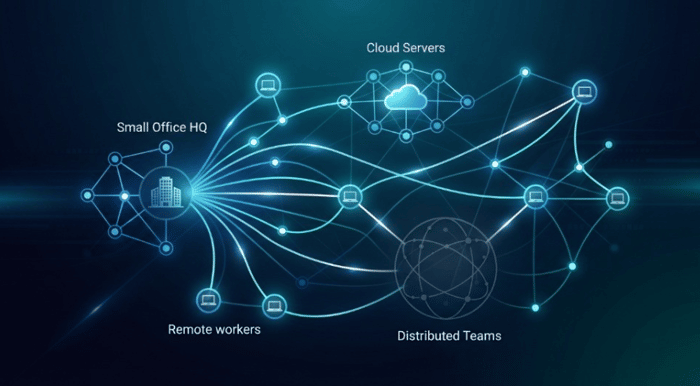
When a startup is small, networking may seem like a minor technical concern. A few employees, laptops, cloud applications, and internet may be enough initially. As the company grows, the network becomes important for communication, development, file sharing, cloud applications, meetings, and remote work.
Adding employees, devices, applications, and locations quickly increases network demands. Startups need infrastructure that can adapt to growth.
Networking Becomes More Important as a Startup Grows
Modern startups rely on cloud platforms, communication tools, customer databases, development environments, and video conferencing. If network performance is unreliable, everyday tasks can become slower and less productive.
Speed is only one part of network performance. Reliability, latency, security, and traffic management can be equally important. Startups should evaluate networks based on how their teams work.
Cloud and Remote Work Increase Network Demands
Cloud-first startups depend on platforms for hosting, storage, development, and collaboration. Reliable connectivity is essential because employees and applications constantly communicate with cloud services.
Remote work adds another challenge. Employees may connect from homes, coworking spaces, or public networks, making security and access control more difficult. These requirements should be part of the network strategy.
SD-WAN Can Support Growing Businesses
As startups expand across locations and cloud environments, managing multiple connections can become difficult. SD-WAN solutions can provide centralized visibility and policy-based management across different connections and locations.
SD-WAN is not necessary for every startup. A small single-location company may not need it, while businesses with multiple offices or significant cloud requirements may consider it.
Startups Should Plan Before Problems Appear
Startups should review their network before problems become serious. Employee growth, cloud usage, locations, security, and expansion can affect infrastructure needs.
There is no universal employee count that determines when an upgrade is necessary. Repeated outages, increasing latency, unreliable remote access, security concerns, or difficulty supporting new locations are practical reasons to reassess the setup.
Network Infrastructure Should Support the Business
For many startups, networking is more than an IT expense. A SaaS company may depend on reliable connectivity for development, support, monitoring, and communication.
Businesses working with providers such as Cypress Telecom can evaluate connectivity and network requirements based on their operations. The goal is to build infrastructure that supports current needs while allowing room for growth.
Better Networking Creates Room for Growth
A reliable network supports employees, cloud applications, security, development, and customer operations. Startups do not need complicated infrastructure. They need a network that matches their requirements and can adapt as the business changes.
Frequently Asked Questions
When should a startup take its network seriously?
When connectivity problems or slow applications begin affecting daily work.
Does a small startup need SD-WAN?
Not necessarily. It is more relevant for businesses with multiple locations or significant cloud requirements.
How does remote work change networking needs?
Different networks increase the importance of secure access and reliable connectivity.
Does better networking mean more complexity?
Not always. It can simplify management and reduce bottlenecks.
