Tucsen CMOS Camera: Precision Imaging for Modern Scientific Research
High-quality imaging is at the heart of scientific discovery. From cell biology and pathology to materials science and industrial inspection, accurate image capture shapes how researchers collect data and draw conclusions. This is where Tucsen and its advanced Tucsen CMOS camera systems stand out.
Modern laboratories demand reliable performance, high sensitivity, and accurate color reproduction. As imaging needs become more complex, researchers require camera systems that can keep up with fast experiments, low-light samples, and demanding workflows. In this article, we’ll take a detailed look at Tucsen, its CMOS camera technology, the key benefits, challenges in scientific imaging, and emerging trends shaping the future of digital microscopy.
About Tucsen
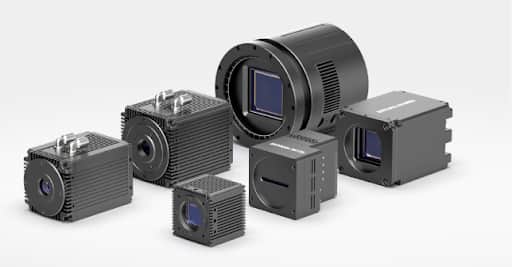
Tucsen is a global manufacturer specializing in scientific and industrial imaging solutions. The company focuses on developing high-performance camera systems for microscopy, life sciences, industrial inspection, and research laboratories.
Tucsen Photonics Co., Ltd. All rights reserved. Source: www.tucsen.com
With years of experience in optical and digital imaging, Tucsen has built a strong reputation in academic institutions, medical labs, and manufacturing environments. Its product portfolio includes advanced CMOS cameras designed to meet strict scientific standards for accuracy, consistency, and reliability.
What Is a Tucsen CMOS Camera?
A Tucsen CMOS camera is a scientific-grade digital camera that uses Complementary Metal-Oxide-Semiconductor (CMOS) sensor technology. Unlike traditional CCD cameras, CMOS sensors offer faster readout speeds, lower power consumption, and improved noise control.
These cameras are widely used in:
Fluorescence microscopy
Brightfield and darkfield microscopy
Live cell imaging
Pathology imaging
Materials science research
Semiconductor inspection
The Tucsen CMOS camera range includes both color and monochrome models, allowing researchers to select the best configuration for their specific application.
Why CMOS Technology Matters in Scientific Imaging
CMOS technology has become the standard in many research labs. Here’s why it plays such an important role:
1. High Sensitivity
Modern experiments often involve low-light conditions, especially in fluorescence imaging. Tucsen CMOS cameras are designed to capture faint signals with high quantum efficiency. This allows researchers to observe delicate biological processes without increasing light exposure that could damage samples.
2. Fast Frame Rates
High-speed imaging is essential for tracking live cells, recording rapid chemical reactions, or inspecting moving industrial components. CMOS sensors provide fast data readout, reducing motion blur and allowing real-time observation.
3. Low Noise Performance
Image noise can distort research results. Scientific CMOS cameras from Tucsen minimize background noise, delivering clear and detailed images even at high magnification.
4. Wide Dynamic Range
A wide dynamic range ensures that both bright and dark areas of a sample are captured accurately in a single frame. This is crucial in pathology and materials research, where contrast matters.
Key Benefits of Using a Tucsen CMOS Camera
Choosing the right imaging system impacts the quality of research outcomes. Below are the major benefits of using a Tucsen CMOS camera.
Accurate Color Reproduction
In pathology and histology, accurate color representation is critical. Tucsen color CMOS cameras are calibrated to reproduce natural and consistent colors, helping researchers make reliable diagnoses and assessments.
Reliable Data Output
Scientific imaging demands repeatable results. Tucsen cameras are designed with stable hardware and software integration to ensure consistent image capture across sessions.
User-Friendly Integration
Tucsen CMOS cameras are compatible with major microscopy systems and imaging software. This simplifies installation and daily operation in laboratories.
Energy Efficiency
CMOS technology consumes less power compared to older CCD systems. This helps reduce heat generation and improves overall camera lifespan.
Compact Design
Many Tucsen camera models are compact and lightweight. This allows easy mounting on microscopes without adding strain to the optical setup.
Applications of Tucsen CMOS Cameras
Tucsen CMOS cameras are used across multiple fields. Let’s examine some of the most important applications.
Life Sciences and Cell Biology
Researchers studying cell structures and protein interactions rely on high-resolution imaging. Tucsen cameras provide detailed visualization of intracellular activity, enabling accurate documentation and analysis.
Common uses include:
Fluorescent protein imaging
Time-lapse cell tracking
Confocal microscopy support
Clinical and Pathology Laboratories
Pathologists depend on precise digital imaging to analyze tissue samples. High-resolution CMOS sensors ensure sharp detail and color fidelity for diagnostic work.
Materials Science
In materials research, scientists examine microstructures, fractures, and surface characteristics. Tucsen CMOS cameras deliver the resolution required for accurate material evaluation.
Industrial Inspection
Manufacturers use scientific cameras to inspect circuit boards, semiconductors, and mechanical parts. Fast frame rates and high contrast imaging help identify defects quickly.
Challenges in Scientific Imaging
While CMOS technology offers many advantages, laboratories still face certain challenges when selecting imaging systems.
Balancing Resolution and Speed
Higher resolution often means larger data files and slower processing. Researchers must balance image clarity with workflow efficiency.
Managing Large Data Volumes
High-frame-rate imaging generates significant data. Labs need proper storage and processing systems to manage this output.
Sample Sensitivity
In fluorescence microscopy, excessive illumination can damage samples. A high-sensitivity Tucsen CMOS camera helps reduce exposure time while maintaining image quality.
Budget Constraints
Advanced imaging systems can be costly. Laboratories must evaluate long-term value, durability, and technical support when investing in scientific cameras.
Trends Shaping the Future of CMOS Cameras
Scientific imaging continues to evolve. Several trends are influencing how CMOS cameras are developed and used.
Higher Quantum Efficiency
New sensor designs improve light capture efficiency. This allows better imaging in extremely low-light conditions.
Increased Resolution
As sensor fabrication improves, pixel density continues to rise. Higher resolution supports detailed analysis in research and diagnostics.
Artificial Intelligence Integration
Many imaging platforms now include AI-based image analysis tools. While the camera captures data, AI assists in identifying patterns, counting cells, or detecting abnormalities.
Enhanced Cooling Systems
Thermal noise can affect long exposure imaging. Improved cooling mechanisms in scientific CMOS cameras help maintain signal clarity.
Compact and Modular Designs
Modern labs value space efficiency. Compact camera designs allow flexible installation in various microscope setups.
How to Choose the Right Tucsen CMOS Camera
Selecting the right Tucsen CMOS camera depends on your research goals. Consider the following factors:
Application type: Fluorescence, brightfield, or industrial inspection
Sensor size: Larger sensors capture more field of view
Resolution needs: Higher megapixels for detailed analysis
Frame rate requirements: Faster speeds for live imaging
Color or monochrome: Monochrome often offers better sensitivity
Consulting with imaging specialists and reviewing technical specifications can help ensure the right choice for your lab.
Why Researchers Trust Tucsen
Trust is essential in scientific equipment. Tucsen has established credibility through:
Consistent product performance
Compliance with international quality standards
Technical support and documentation
Continuous research and product refinement
Researchers rely on stable imaging systems to support peer-reviewed publications, diagnostic decisions, and industrial quality control.
Maintaining Your Tucsen CMOS Camera
Proper maintenance extends the life of your imaging system. Here are simple steps to ensure consistent performance:
Keep the sensor area clean and dust-free
Use appropriate software updates
Maintain stable temperature conditions
Store the camera safely when not in use
Regular calibration and periodic performance checks also help maintain image accuracy.
Final Thoughts
Scientific imaging plays a critical role in research, diagnostics, and industrial quality control. A reliable camera system is not just a tool but a foundation for accurate results. Tucsen and its advanced Tucsen CMOS camera solutions provide high sensitivity, speed, and dependable performance for modern laboratories.
As CMOS technology continues to improve, researchers can expect better resolution, lower noise, and improved data handling capabilities. Choosing the right camera depends on your application, budget, and performance requirements. By understanding key features and trends, labs can make informed decisions that support long-term research goals.

